Choosing the right yarn is crucial for achieving the best results in your crochet projects. With a wide variety of yarn types available, each with unique properties, it’s essential to understand the differences to make informed decisions. Here’s an overview of the most common yarn types you’ll encounter.
.jpg)
Natural Fibers
Cotton

Cotton yarn is celebrated for its durability and breathability. It’s an excellent choice for warm-weather projects such as summer garments, dishcloths, and baby items due to its hypoallergenic nature. Cotton absorbs moisture well and provides a clean, crisp stitch definition. When choosing cotton yarn, look for mercerized options that offer a subtle sheen and enhanced strength.
Wool
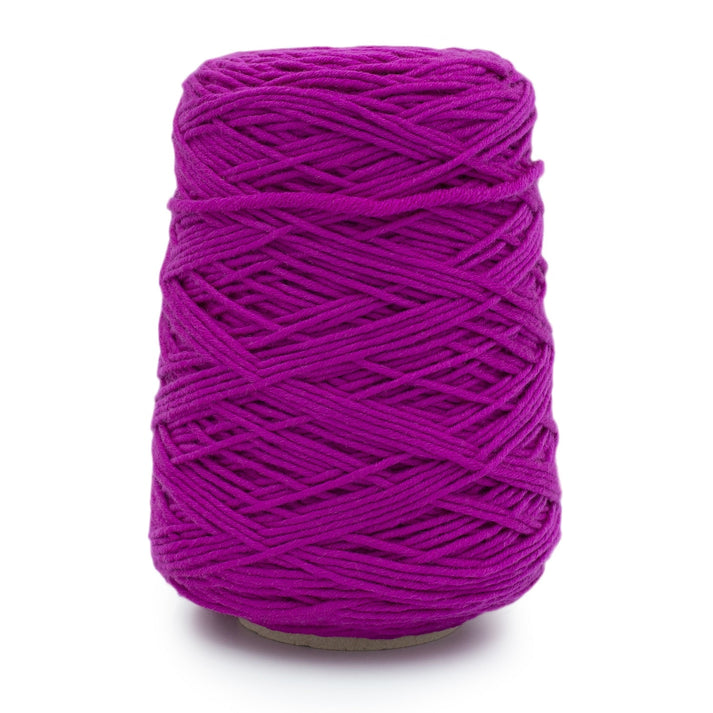
Wool is a versatile fiber that provides excellent insulation. It’s ideal for warm garments like sweaters, blankets, and scarves. Wool yarn has a natural elasticity, which helps it retain its shape, making it a great choice for fitted garments. Superwash wool options are treated to be machine washable, adding convenience for everyday use. However, some people may have sensitivities to wool, so consider this when selecting yarn for specific audiences.
Alpaca
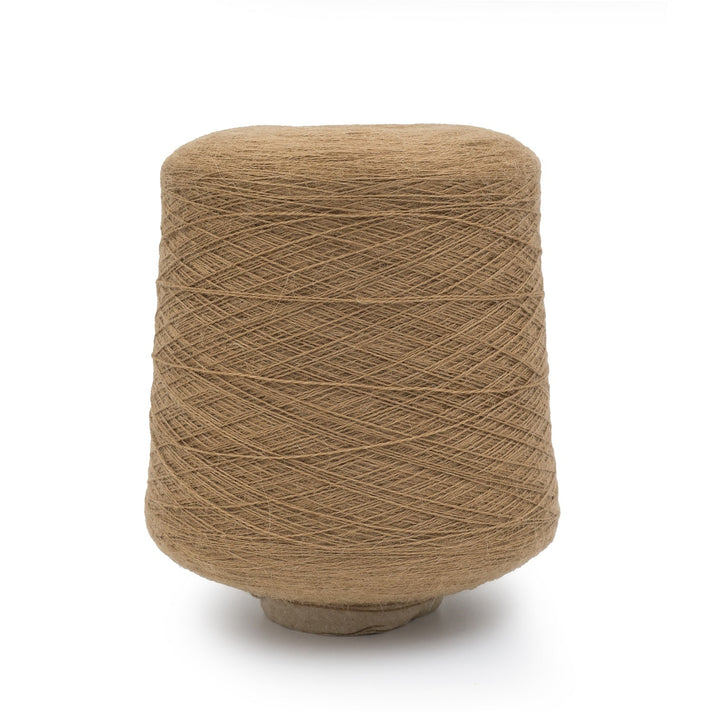
Alpaca yarn is known for its luxurious softness and warmth without the weight. It drapes beautifully, making it perfect for elegant shawls and cozy scarves. Alpaca fibers are also hypoallergenic, which makes them suitable for those with wool sensitivities. The yarn has a natural luster, giving finished projects a sophisticated appearance.
Linen
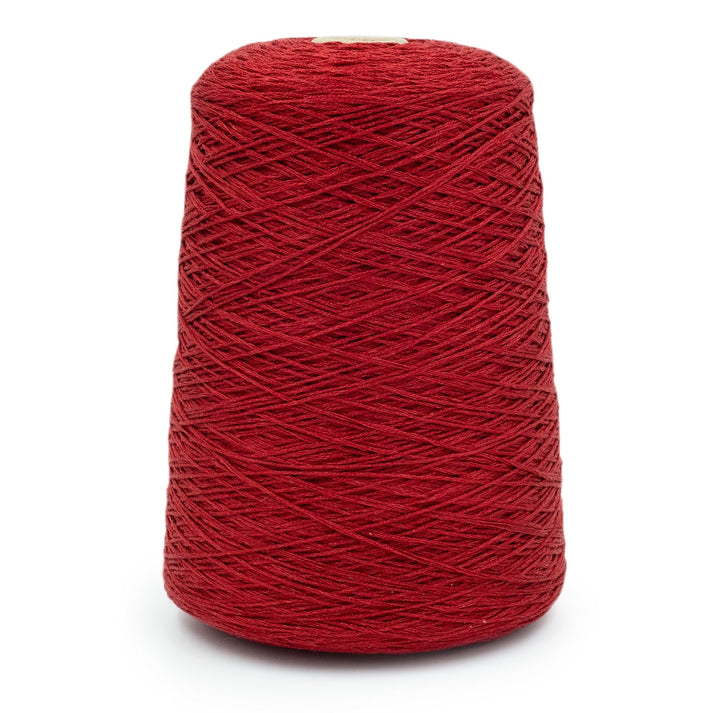
Linen yarn, derived from the flax plant, offers a unique texture and breathability. It becomes softer with washing, making it ideal for summer garments and lightweight accessories. Linen has a natural sheen and a rustic charm, though it can be slightly stiff in its raw form. Once softened, it provides a lovely drape.
Blends
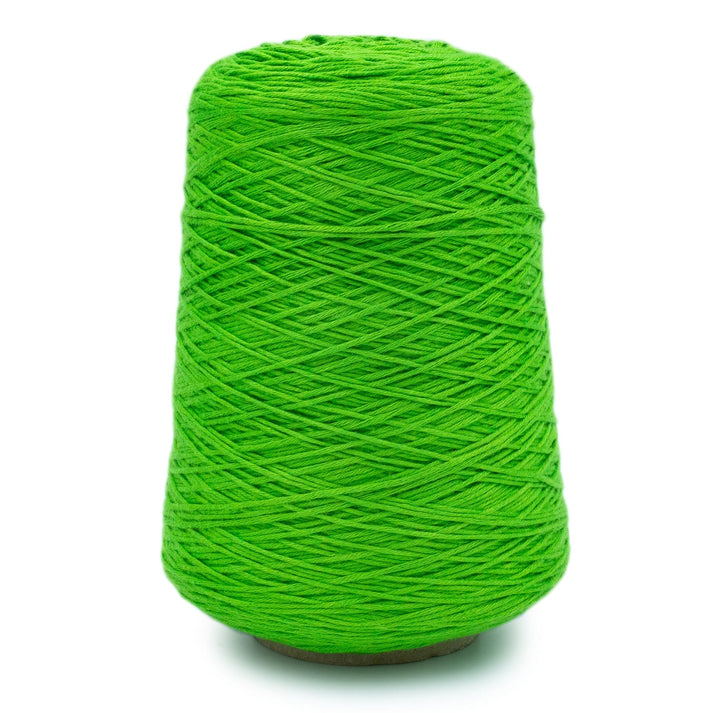
Many yarns combine various fibers to harness the advantages of each. Blends can offer the warmth of wool with the durability of acrylic, or the softness of alpaca with the ease of care found in synthetic fibers. When selecting a blended yarn, consider the specific properties you need for your project.
Conclusion
Understanding the different types of yarn is essential for successful crochet projects. Whether you prefer the warmth of natural fibers or the convenience of synthetics, knowing the characteristics of each type will help you choose the best yarn for your crafting needs. The right yarn can significantly enhance the look and feel of your finished work, making your crochet experience even more enjoyable.
Comments
Post a Comment